
Garden / Landscaping / Patio

How to Grow Ornamental Grasses
by Guest Post on Jan 2, 2010
Ornamental grasses have become extremely popular in the past ten years or so, and if you buy them at a garden center they are kind of pricey. Learning how to grow them yourself is actually quite easy. They can be grown from seed, but I won’t pretend to be an expert at that for several reasons. Continue reading →

Landscape Irrigation
by Guest Post on Jan 5, 2010
Most of the country is now under the influence of the hottest part of the year - even here in normally cooler north Idaho, temperatures have risen into the nineties for over a week. To keep your gardens thriving in these conditions is a challenge, and requires the careful management. Continue reading →

Unique Garden Planters - Outdoor Decorating w/Containers
by Guest Post on Jan 23, 2010
Container Gardening and Garden planters are a warm and inviting way to add interest to your outdoor decorating spaces. You can spruce up your outdoor living spaces by adding decorative planters that give your plants pop! Continue reading →

Wind Chimes - Enhance Your Outdoor Decor
by Guest Post on Jan 23, 2010
To beautify the front of your home and enhance your landscape decor, why not use the benefits of beautiful sounding wind chimes? They come in a variety of colors, shapes, sizes, and price ranges, and are sure to be the perfect compliment to your decor. Continue reading →

Outdoor Furniture for Garden Decoration
by Guest Post on Feb 4, 2010
Who does not love to rest and unwind in a quiet and calm place at the end of a tiring day? On another note, won’t it be great to stop by in a green, clean and tidy place before you start your day? You don’t have to go out to find such a place on this earth. Continue reading →

The Life Cycle of the Tree
by Guest Post on Feb 4, 2010
A tree’s life cycle begins with germination. An adult tree will drop seeds to the ground, usually in fall or winter, and the seed will lie dormant until spring. When the conditions are right, the dormant seed will start to receive warmth, water, sunlight, and oxygen. Continue reading →

Understanding When to Plant Baby Trees
by Guest Post on Feb 4, 2010
Fall or wintertime is a great time to think about planting baby trees. Most trees survive better if they are planted or transplanted while they are dormant. If you have baby trees, they may even look dead during this time. Continue reading →

Plants Around the Home. Nursery? or Grow Yourself?
by Guest Post on Feb 24, 2010
Plants are a great way to spice up your home, start a garden, or give the gift that keeps on giving to a friend, family member, or loved one. When it comes to growing plants, you may think that you have to start from scratch and invest in seeds. Continue reading →

Beautifying Your Homes Exterior
by Guest Post on Feb 28, 2010
There are lots of incentives why homeowners desire an improved home exterior. Maybe you want to sell your home in the future, are bored with the old look, or wish to add equity to your home. Painting, landscaping and new window shutters will give your home fantastic results. Continue reading →
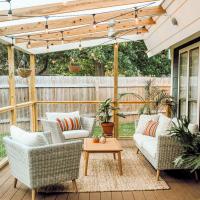
Great Patio Ideas to Add Life to Your Home
by Guest Post on Mar 2, 2010
The patio has its practical uses. You can use it to enjoy meals with family or use it as a setting for many garden barbecue parties. You can use it as a place for solitude or a haven for relaxation. You can turn it into a virtual playground or a swimming pool. Continue reading →
Popular Articles
Three Places to Spend Money on the Exterior of Your Home
When you have the exterior of your home remodeled, you are investing, time, energy and convenience into the project and you want to make sure that...
107700 Views
Homemade Headboards-Make an Upholstered or Wooden Headboard
Homemade headboards can add a lot of personality to any bedroom. They can be coordinated with existing furniture and room decor or they can be the...
81108 Views
When to Use a Brush, Roller or Sponge Brush
Brushes are a good choice for painting trim and woodwork. They are also useful for cutting in the edges around the top and bottom edges and corners...
73660 Views
Creating a Cottage Kitchen with Bead Board
Kitchen decor can range from modern and bold to elegant and elaborate by using strategic kitchen pieces. One of the most popular decorating trends...
59479 Views
Gas Fireplace Diagnostics and Troubleshooting
Follow these steps for diagnosing and troubleshooting Gas Fireplaces repairs. For the average DIYer, this may seem intimidating, depending on the...
36395 Views
Latest Articles
Signs You Need Professional Plumbing Repair: Don’t Ignore These Warning Signs
Ignoring the signs of a pending plumbing disaster can lead to significant damage and costly repairs. For instance, homeowners might not realize...
on Jan 20, 2026
Beneath the Surface: Why Professional Trenchless Sewer Line Repair
Beneath the Surface: Why Professional Trenchless Sewer Line Repair is Essential for Modern Homeowners
on Jan 14, 2026
Hydro Jetting Services: Unclog Your Pipes with the Power of Water
When faced with stubborn clogs and slow drains, conventional solutions often fall short. But with the innovation of hydro jetting services,...
on Dec 15, 2025
Why Professional Heat Pump Installation is Key to Maximizing Efficiency and Longevity
Heat pumps are a highly efficient means of heating and cooling homes, reducing energy costs and contributing to environmental sustainability. To...
on Dec 15, 2025
Why Professional Boiler Repair is Essential for Home Safety and Comfort
Maintaining a warm and safe home environment is paramount for any homeowner. Your home's boiler system plays a critical role in this, but what...
on Nov 5, 2025
Featured Articles
What Type of Licensed Contractor Should You Hire?
on Feb 28, 2017
Hire Contractors / Estimates

Looking for a specialty project? There are many types of contractors available for your home improvement needs. Finding the right type of...
Articles Archive
More DIY Articles
10 Steps to a Hassle-free House Move
Moving to a brand new house can be equal parts exciting and nerve-wracking. If you are preparing to move up the property ladder, you may be looking...
Benefits of Choosing an Electric Range
In order to decide between an electric range and a gas range, consider safety, cost, and convenience. The kitchen is an important room in every...
Top Reasons to Add a Fence to Your Property
If you are looking to improve your property but have run out of ideas, you might want to take a look at getting a nice fence for your home. There...
Make Cooking Easy with an Electric Range
Every good kitchen needs some quality appliances like an electric range. Without them, cooking can take hours upon hours and still not end up...
How You Can Organize Your Home
4 Necessities For Organizing Your Home! After a long day of work it can be over whelming to think about cleaning the house. You want to relax from...