
Drywall Repair and Fasteners
by Guest Post on May 14, 2012
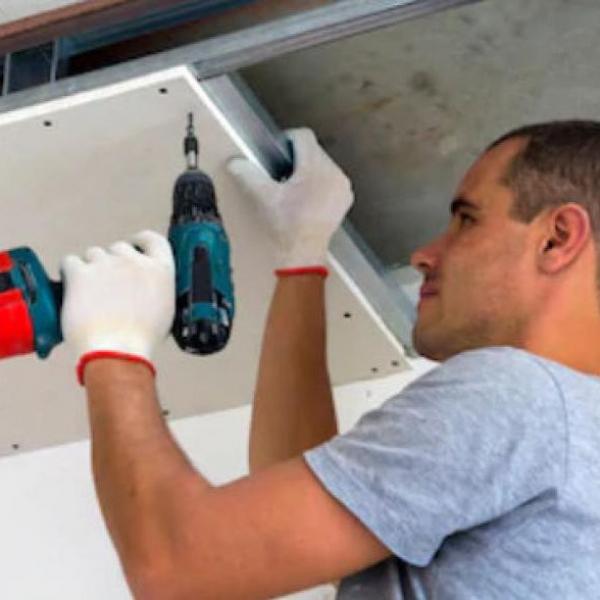
Plaster or drywall is commonly used for walls. Other decorative materials such as plywood paneling, paper, or just paint are used to help the appearance of the wall. Unfortunately, common fasteners do not perform too well when used on plaster and result in holes or cracks which are unattractive. Settling or shrinking of walls also causes cracks.
Patching a Wall
Popping Nails - The heads of nails used to fasten plasterboard to studs often pop out. This is caused by moisture changes in the studs which squeeze the nail out.
To remedy popped nail heads, first drive additional nails about 2" above and below the popped nail head. Drive the nails, including the popped nail, until a dimple shows around the head. Be sure you hold the plasterboard tight to the stud. Dust off all loose paint and plaster and fill the dimple with patching plaster using a wide putty knife. Let dry and if patch shrinks re-apply patching plaster. When a patch is completely dry, sand with fine sandpaper and paint.
Small Cracks
Small, narrow cracks can be filled with patching plaster. First, remove loose plaster and with an icepick or knife, clean the crack so it is wider at the bottom than on the surface. This allows the new plaster to stick better. With a brush or damp cloth remove loose plaster dust. If water mixed plaster is used dampen the crack.
Fill the crack with patching plaster using a criss-cross motion to work it in. With the wide putty knife feather the edges of the patch, about 2" on each side of the crack, so it will be less visible. When dry sand lightly and paint.
Large Cracks
When the crack is large the wet plaster will not stick. If this is the situation buy a roll of patching tape at a paint store. Clean off all loose plaster. Fill the crack with plaster and press the perforated tape into the wet plaster with a wide putty knife. Squeeze out any excess plaster so there will not be a lump in the wall. Let it dry, sand lightly and paint. A coat of sizing will make the paint stick better and look better.
Holes Through Wall
If there is a large hole through the wall patching plaster will not stick. Two methods can be used.
Fastening to Plaster Walls
Lightweight Object or Pictures - Very lightweight objects can be supported with a piece of tape. The wall must be smooth, clean and dry. The glue is affected by humidity and may let loose so do not hang anything that will break with this kind of fastener.
Objects with a wide variety of weight can be supported by a metal hook on a long tapered nail driven at an angle into the plaster. These come in packages of three or four and in different sizes depending on the weight to be supported.
Medium Weight Objects
Some kind of insert, plastic, fiber, wood. or lead can be used with a sheet metal screw. Drill a hole just large enough to be able to tap the insert into the hole. Tap the insert into the hole until it is flush with the surface. Turn a sheet metal or wood screw into the insert. Usually, these inserts come packaged with the right size screw for the particular insert. It will also tell you what size hole to drill.
Heavy Objects
Heavier objects can be supported with a molly bolt or toggle bolt. Drill a hole through the wall to fit the size of molly bolt -- be sure not to get the hole too big or you may have difficulty turning the bolt without having the connector turn. If the only drill is too small, use a small screwdriver, knife, or another object to ream out the hole until the fastener will slide in snugly. Push it in and turn the bolt clockwise until it feels tight. Now the fastener has expanded and should stay tight Remove the bolt and attach the object screwing the bolt in tight. Do not overtighten or you may pull the fastener loose. Remember plaster is soft.
A toggle bolt can be used similar to a molly bolt but with less care taken when installing. Select a bolt long enough to include the object plus the wall plus the length of the toggles when folded up. Drill a hole through the wall. If you do not have a drill: Drive a nail through the wall. Wiggle it until it comes loose and you can pull it out. Put a small screwdriver, knife, or piece of metal into the hole and carefully enlarge until the toggle will slide through. Assemble the object on the bolt and push the toggle into the hole until you can feel it spring open. (Now you cannot remove the bolt without losing the toggle in the wall). Tighten by turning clockwise.
A toggle bolt should be used where the object will be drawn up tight to the wall because the hole must be large enough to receive the toggle. The object should be large enough to cover the large hole that is necessary.
Popular Articles
Three Places to Spend Money on the Exterior of Your Home
When you have the exterior of your home remodeled, you are investing, time, energy and convenience into the project and you want to make sure that...
107700 Views
Homemade Headboards-Make an Upholstered or Wooden Headboard
Homemade headboards can add a lot of personality to any bedroom. They can be coordinated with existing furniture and room decor or they can be the...
81108 Views
When to Use a Brush, Roller or Sponge Brush
Brushes are a good choice for painting trim and woodwork. They are also useful for cutting in the edges around the top and bottom edges and corners...
73660 Views
Creating a Cottage Kitchen with Bead Board
Kitchen decor can range from modern and bold to elegant and elaborate by using strategic kitchen pieces. One of the most popular decorating trends...
59479 Views
Gas Fireplace Diagnostics and Troubleshooting
Follow these steps for diagnosing and troubleshooting Gas Fireplaces repairs. For the average DIYer, this may seem intimidating, depending on the...
36395 Views
Latest Articles
Signs You Need Professional Plumbing Repair: Don’t Ignore These Warning Signs
Ignoring the signs of a pending plumbing disaster can lead to significant damage and costly repairs. For instance, homeowners might not realize...
on Jan 20, 2026
Beneath the Surface: Why Professional Trenchless Sewer Line Repair
Beneath the Surface: Why Professional Trenchless Sewer Line Repair is Essential for Modern Homeowners
on Jan 14, 2026
Hydro Jetting Services: Unclog Your Pipes with the Power of Water
When faced with stubborn clogs and slow drains, conventional solutions often fall short. But with the innovation of hydro jetting services,...
on Dec 15, 2025
Why Professional Heat Pump Installation is Key to Maximizing Efficiency and Longevity
Heat pumps are a highly efficient means of heating and cooling homes, reducing energy costs and contributing to environmental sustainability. To...
on Dec 15, 2025
Why Professional Boiler Repair is Essential for Home Safety and Comfort
Maintaining a warm and safe home environment is paramount for any homeowner. Your home's boiler system plays a critical role in this, but what...
on Nov 5, 2025
Featured Articles
What Type of Licensed Contractor Should You Hire?
on Feb 28, 2017
Hire Contractors / Estimates
Looking for a specialty project? There are many types of contractors available for your home improvement needs. Finding the right type of...
Actions
Top Categories
- Garden / Landscaping / Patio — 264
- Kitchen / Bathrooms — 240
- Real Estate / Finance — 203
- Appliance / Repair — 186
- Interior Design / Decor — 184
- HVAC / Air Conditioning — 150
- Cleaning / Maintenance — 144
- Improvements / Remodeling — 131
- Plumbing / Basements — 121
- Floors / Tile / Hardwood — 116
- Safety / Security — 114
- Doors / Garages — 113
Articles Archive
More DIY Articles
To See Your Projector Right, You Gotta Go Dark
Sure, most homeowners would love to have their very own home theatre – and for good reason. Imagine, no more long lines, no more sold out...
How to Protect Your Furniture from Sun Damage
Having large windows that let in a lot of sunlight can be nice. It can feel good enjoying the natural light when you are indoors. While it may feel...
Maintaining Your Hot Tubs
No one wants to use dirty or non-maintained hot tubs. Whether it is in your home or at the Spa, you want to soak in something that looks and smells...
4 Tips for Decorating your Studio Apartment
If you live in a small to medium-sized living space, you may need to get creative with decorating. It’s not uncommon to pay a great deal for a...
How to Prepare Your Home for Moving Day
When you have decided that you want to move to a new place, there is a lot of things that need to get done. You need to find a new home, get in...