
How Climate Shapes Outdoor Living
- Your article is suspended which usually means you need to submit payment to pay411@outlook.com
by Tanya Dragylovich on Sep 25, 2025

The intersection of atmospheric physics, material science, and landscape architecture defines outdoor living design success across America's dramatically varied climate zones. From the freeze-thaw cycles of northern territories to the salt-laden winds of coastal regions, each geographic area presents unique engineering challenges that demand sophisticated solutions. Temperature differentials spanning 140 degrees between Alaska's minus 40°F winters and Arizona's 120°F summers require fundamentally different approaches to material selection, structural engineering, and plant specification.
We've consulted with Wave Outdoors Landscape + Design, a Chicago-area outdoor designer whose experience with extreme continental climate swings provides valuable insights into climate-adaptive design principles applicable nationwide. Their work in one of America's most challenging climates—where outdoor surfaces must withstand 132-degree temperature ranges—offers lessons that translate across every USDA hardiness zone.
The Physics of Regional Climate Systems
America's diverse climate classifications—from humid subtropical to alpine tundra—each impose distinct physical forces on outdoor structures and materials. Understanding these forces transforms outdoor design from aesthetic exercise to engineering discipline where thermal dynamics, moisture physics, and structural mechanics converge.
Humid Continental Climate (Köppen Dfa/Dfb, typically USDA Zones 3-5)
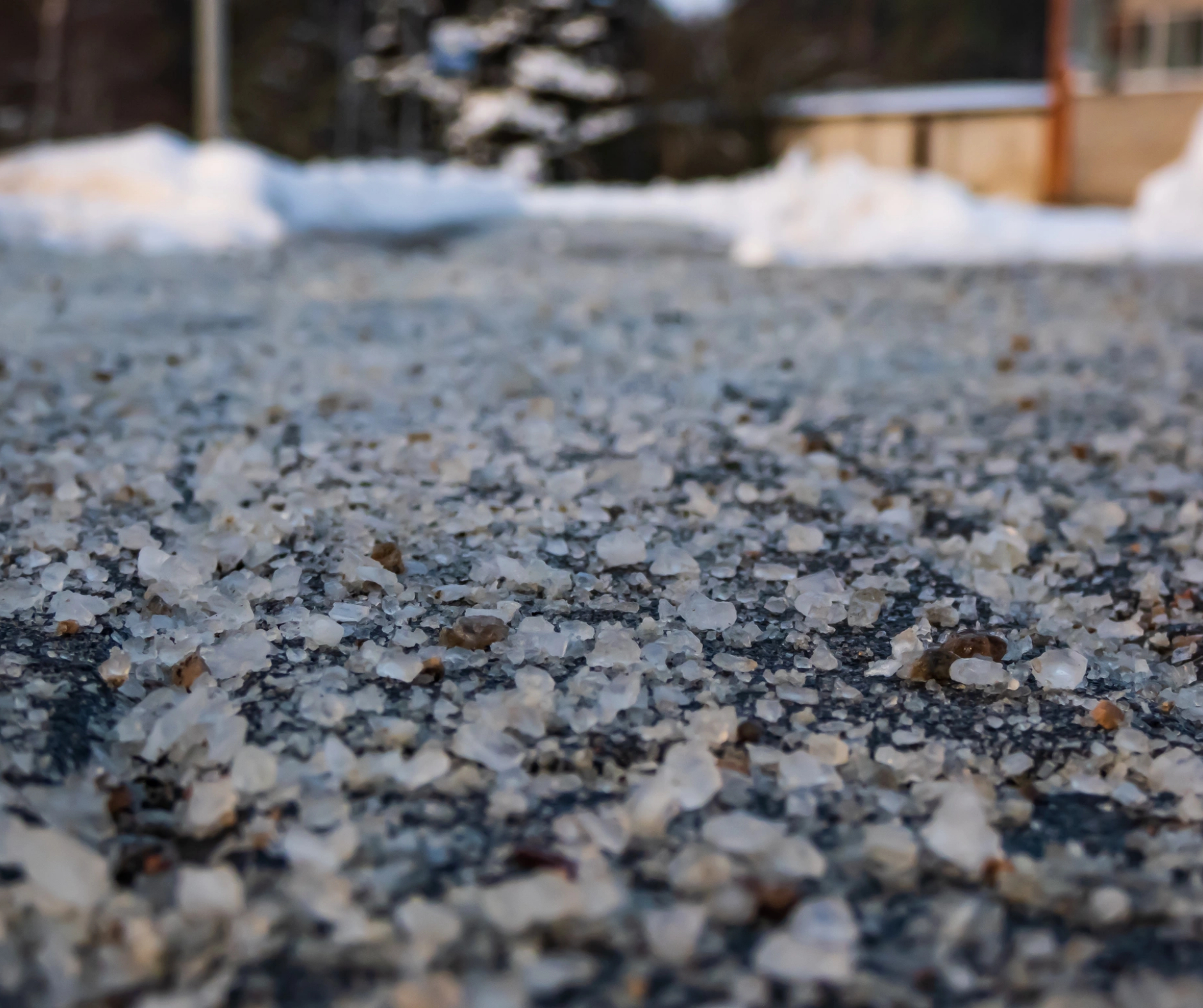
The northern tier states experience hot-summer humid continental climates where temperatures swing from minus 30°F to 95°F annually. These regions average 20 to 40 inches of precipitation with 30 to 100 inches of snow, creating the freeze-thaw cycles that represent outdoor construction's greatest challenge. Water's nine percent volumetric expansion during freezing generates pressures exceeding 30,000 pounds per square inch—sufficient force to fracture granite, displace concrete slabs, and destroy inadequately prepared substrates.
The freeze-thaw phenomenon doesn't occur uniformly. Properties experience 40 to 70 freeze-thaw cycles annually in the warmer Zone 5, while colder Zone 3 locations may see only 20 to 30 deeper freezes. This counterintuitive relationship means moderate cold zones often suffer more damage than extreme cold regions where temperatures remain consistently frozen. Substrate preparation in these zones demands 12 to 18 inches of compacted aggregate base, typically angular crushed limestone or granite for superior interlock and drainage. The depth must exceed local frost lines, which range from 36 inches in Zone 5 to 60 inches or more in Zone 3.
Humid Subtropical Climate (Köppen Cfa, typically USDA Zones 8-9)
The Southeast's subtropical climate brings different but equally demanding challenges. Annual rainfall of 45 to 60 inches combines with relative humidity consistently above 70 percent to create conditions favoring biological degradation. Temperatures rarely drop below freezing, eliminating freeze-thaw concerns, but summer heat indices exceeding 105°F stress materials through thermal expansion while accelerating chemical reactions that degrade polymers and sealants.
Hurricane zones add wind loading requirements that transform pergolas and shade structures into engineering projects requiring stamped drawings. Design wind speeds range from 115 mph in inland areas to 180 mph in coastal zones, necessitating connection hardware rated for these loads. Post-to-beam connections must resist both uplift and lateral forces, typically requiring Simpson Strong-Tie hurricane clips or equivalent hardware rated for the specific wind zone.
Moisture management becomes paramount where annual rainfall exceeds evapotranspiration rates. Hardscape installations require only 6 to 8 inches of aggregate base, but emphasis shifts to drainage slope and permeability. Minimum slopes of 2 percent—twice the 1 percent standard in drier climates—ensure positive drainage away from structures. Polymeric sand joints face different challenges here, requiring fungicide additives to prevent mold growth in perpetually moist conditions.
Arid and Semi-Arid Climate (Köppen BWh/BSh, typically USDA Zones 9-11)
The Southwest's desert climates present extreme ultraviolet radiation, with UV index values reaching 11+ during summer months—40 percent higher than northern latitudes. This intense radiation degrades polymers, fades pigments, and causes differential expansion in composite materials. Daily temperature swings of 40 degrees stress materials through repeated expansion-contraction cycles, while annual temperature ranges from 30°F to 118°F test absolute thermal limits.
Minimal precipitation, often below 10 inches annually, eliminates moisture-related concerns but introduces unique challenges. Caliche layers—naturally cemented calcium carbonate deposits—require specialized equipment for penetration. These impermeable layers, sometimes mistaken for bedrock, prevent drainage and root penetration unless mechanically fractured. Base preparation needs only 4 to 6 inches of aggregate, but the type matters critically. Decomposed granite, readily available and economical in these regions, provides excellent compaction while maintaining permeability.
Marine and Coastal Climate (Köppen Cfb/Csb, typically USDA Zones 7-10)
Coastal environments impose salt exposure that accelerates corrosion of metals, degrades concrete through sulfate attack, and desiccates plants through osmotic stress. Salt spray carries inland up to 3 miles from ocean shores, with concentration decreasing exponentially with distance. Properties within 1,000 feet of high tide lines experience severe exposure requiring marine-grade materials throughout.
Stainless steel 316 becomes minimum specification for fasteners and hardware, with aluminum and galvanized steel failing within 2 to 5 years. Concrete requires 4,500 PSI minimum strength with water-cement ratios below 0.40 and integral waterproofing admixtures. Even with these precautions, concrete surfaces need penetrating sealers reapplied every 2 to 3 years to prevent chloride infiltration that corrodes reinforcing steel.
Wind loads in coastal zones exceed inland requirements by 20 to 40 percent due to exposure category differences. Open terrain near water provides no wind speed reduction, requiring structural designs that accommodate full design wind speeds at all elevations. This affects everything from fence specifications to pergola engineering, with posts typically upsized from 4x4 to 6x6 minimum, and footings deepened from 24 to 36 inches or more.
Climate-Specific Material Selection Guide
Hardscape Materials Performance by Climate Zone
Porcelain Pavers
- Humid Continental (Zones 3-5): Excellent - Zero water absorption prevents freeze-thaw damage
- Humid Subtropical (Zones 8-9): Excellent - Resists mold/mildew, stays cooler than alternatives
- Arid/Semi-Arid (Zones 9-11): Excellent - UV stable with minimal thermal expansion
- Marine/Coastal (Zones 7-10): Excellent - Complete salt resistance
Natural Stone (Granite)
- Humid Continental (Zones 3-5): Excellent - Under 0.4% absorption rate
- Humid Subtropical (Zones 8-9): Good - Requires periodic sealing in high humidity
- Arid/Semi-Arid (Zones 9-11): Excellent - Superior heat resistance
- Marine/Coastal (Zones 7-10): Good - Needs frequent sealing against salt
Limestone (Type III)
- Humid Continental (Zones 3-5): Good - Only if absorption remains below 3%
- Humid Subtropical (Zones 8-9): Fair - Prone to biological growth
- Arid/Semi-Arid (Zones 9-11): Good - Performs well in dry conditions
- Marine/Coastal (Zones 7-10): Poor - Salt causes rapid deterioration
Concrete Pavers
- Humid Continental (Zones 3-5): Good - Requires air entrainment for freeze protection
- Humid Subtropical (Zones 8-9): Good - Standard installation suffices
- Arid/Semi-Arid (Zones 9-11): Excellent - Minimal moisture stress
- Marine/Coastal (Zones 7-10): Fair - Requires regular sealer application
Stamped Concrete
- Humid Continental (Zones 3-5): Fair - Prone to freeze-thaw cracking
- Humid Subtropical (Zones 8-9): Good - Year-round installation possible
- Arid/Semi-Arid (Zones 9-11): Good - Control joints critical for thermal movement
- Marine/Coastal (Zones 7-10): Poor - Salt damage highly likely
Composite Decking
- Humid Continental (Zones 3-5): Good - Check manufacturer temperature ratings
- Humid Subtropical (Zones 8-9): Fair - Mold and mildew concerns persist
- Arid/Semi-Arid (Zones 9-11): Fair - UV degradation issues in extreme sun
- Marine/Coastal (Zones 7-10): Good - No salt corrosion concerns
Natural Wood
- Humid Continental (Zones 3-5): Fair - Requires significant seasonal maintenance
- Humid Subtropical (Zones 8-9): Poor - Rapid deterioration from moisture/insects
- Arid/Semi-Arid (Zones 9-11): Fair - Dry rot less likely but UV damage significant
- Marine/Coastal (Zones 7-10): Poor - Combined salt and moisture damage
Permeable Pavers
- Humid Continental (Zones 3-5): Excellent - Drainage prevents ice formation
- Humid Subtropical (Zones 8-9): Good - Manages heavy rainfall effectively
- Arid/Semi-Arid (Zones 9-11): Good - Valuable when drainage needed
- Marine/Coastal (Zones 7-10): Good - Reduces problematic runoff
Installation Cost Ranges (per square foot):
- Premium Materials (Porcelain/Granite): $12-40
- Humid continental markets: $25-40 (limited installation season, freeze-thaw requirements)
- Subtropical/arid markets: $12-25 (year-round installation, competitive labor)
- Mid-range Materials (Quality Concrete/Limestone): $8-25
- Urban/coastal markets: $15-25 (higher labor costs)
- Rural/inland markets: $8-15 (lower overhead)
- Economy Materials (Standard Concrete): $4-15
- DIY-friendly regions: $4-8 (materials only)
- Full installation: $8-15 (includes labor and prep)
Material Science Across Climate Zones
The selection of hardscape materials transcends aesthetic preferences to become an engineering decision based on thermal properties, moisture absorption rates, and mechanical characteristics suited to regional climate stresses.
Porcelain's Universal Performance
Porcelain pavers, with water absorption below 0.5 percent, excel across all climate zones but provide different benefits in each. Northern climates value freeze-thaw immunity—the minimal water absorption prevents internal ice crystal formation that fractures other materials. Southern climates appreciate porcelain's thermal properties, remaining cooler than concrete through higher reflectivity and lower solar absorptance. Coastal zones benefit from complete salt resistance, while arid regions value UV stability and color retention under intense radiation.
Installation costs range from 12 to 18 per square foot in humid continental markets where freeze-thaw protection justifies premiums, to 8 to 12 in subtropical and arid markets where competition from year-round installation availability reduces labor costs. The 50-year lifespan remains consistent across climates, though maintenance requirements vary from annual cleaning in low-stress environments to biannual sealing in extreme conditions.
Regional Concrete Solutions
Concrete specifications vary dramatically by climate zone, with mix designs optimized for regional stresses. Humid continental zones specify air-entrained concrete with 5 to 7 percent air content, creating microscopic voids that accommodate ice expansion. These mixes achieve 4,000 PSI compression strength while providing freeze-thaw durability exceeding 300 cycles. Fiber reinforcement, using polypropylene or steel fibers at 1.5 pounds per cubic yard, controls cracking from thermal movement.
Subtropical and arid zones emphasize heat resistance through mix designs incorporating fly ash or slag cement at 20 to 30 percent replacement rates. These pozzolanic materials reduce heat of hydration during curing while increasing long-term strength and reducing permeability. White cement or light-colored aggregates reduce surface temperatures by 20 degrees compared to standard gray concrete—critical for barefoot traffic around pools.
Stamped concrete pricing reflects regional labor expertise and seasonal installation windows. Humid continental markets see 8 to 15 per square foot with limited April through October installation seasons. Subtropical and arid markets offer year-round installation at 6 to 12 per square foot, though summer installations require special curing procedures to prevent rapid moisture loss.
Natural Stone Selection by Region
Natural stone selection depends on regional availability and climate compatibility. Limestone and sandstone, abundant in central states, provide economical options at 15 to 25 per square foot installed but require careful selection for freeze-thaw resistance. Only Type III limestone with absorption below 3 percent survives humid continental climates, while more porous varieties suit subtropical and arid applications where freeze risk is minimal.
Granite, quarried primarily in northeastern and mountain states, offers ultimate durability with absorption below 0.4 percent and compression strength exceeding 19,000 PSI. The premium material commands 25 to 40 per square foot installed but provides century-long service with minimal maintenance. Thermal finishing creates slip-resistant surfaces essential for wet climates while maintaining the stone's natural beauty.
Regional stones provide economic and aesthetic advantages through reduced transportation costs and architectural harmony. Pennsylvania bluestone in the Northeast, Crab Orchard stone in Tennessee, and Arizona flagstone in the Southwest offer regional character while supporting local economies. Transportation typically adds 2 to 5 per square foot for materials shipped beyond 500 miles, making local selection economically compelling.
Regional Plant Selection Framework
Native Plant Champions by Climate Zone
Humid Continental (Zones 3-5)
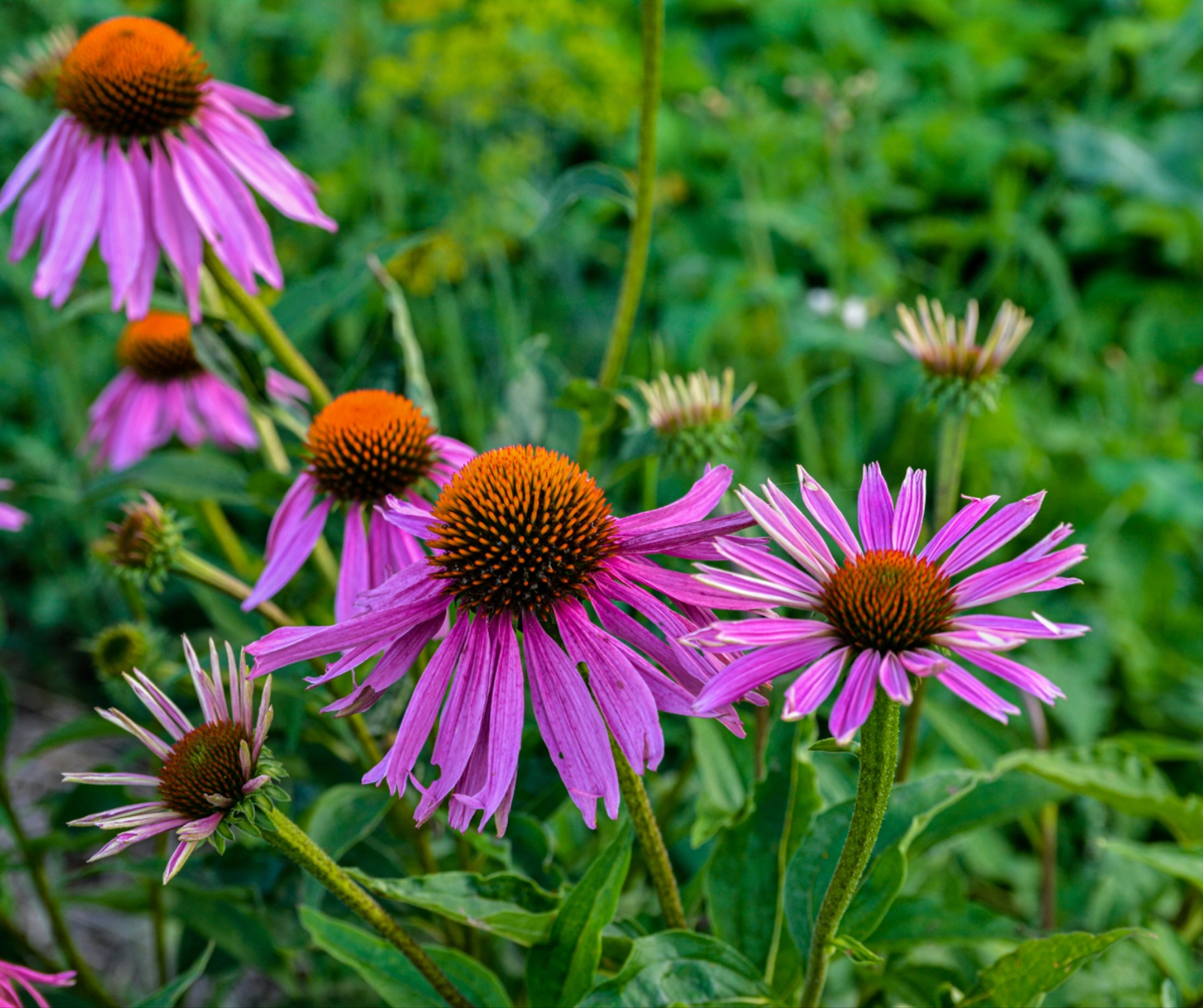
- Purple Coneflower (Echinacea purpurea): Hardy to -30°F, 6-foot taproot, supports 30+ butterfly species
- Karl Foerster Grass: Architectural winter structure, snow load tolerant to 12 inches
- Serviceberry (Amelanchier): Multi-season interest, flexible under snow, feeds 35 bird species
- Wild Bergamot (Monarda fistulosa): Drought tolerant once established, attracts hummingbirds
- Prairie Dropseed: Fine texture, 24-inch height, 8-foot roots
Humid Subtropical (Zones 8-9)
- Southern Magnolia: Evergreen structure, heat/humidity tolerant, iconic flowers
- Muhly Grass: Pink fall blooms, humidity resistant, 3-foot spread
- American Beautyberry: Purple berries, wildlife value, understory adaptable
- Coontie Palm: Salt tolerant, host plant for butterflies, evergreen
- Louisiana Iris: Wetland adapted, spectacular blooms, minimal care
Arid/Semi-Arid (Zones 9-11)
- Palo Verde: Photosynthetic bark, 160-foot taproot depth, provides filtered shade
- Desert Marigold: Year-round blooms with moisture, extreme heat tolerance
- Agave species: Structural focal points, zero irrigation, 10-30 year lifespan
- Red Yucca: Hummingbird magnet, architectural form, no maintenance
- Desert Willow: Fast growth, orchid-like flowers, drought deciduous
Marine/Coastal (Zones 7-10)
- Sea Oats: Dune stabilization, direct salt spray tolerance, erosion control
- Sabal Palmetto: Hurricane resistant, salt compartmentalization, 6-foot taproot
- Beach Sunflower: Groundcover, year-round blooms in warm zones, salt tolerant
- Wax Myrtle: Evergreen screen, salt/wind tolerant, wildlife habitat
- Coastal Rosemary: Australian native, extreme drought/salt tolerance
Plant Selection as Climate Strategy
Plant specification across America's diverse climates requires understanding of evolutionary adaptation, water requirements, and temperature tolerance ranges that determine success or failure. The shift from traditional landscaping toward climate-appropriate selection reduces maintenance by 50 to 70 percent while creating resilient landscapes that thrive rather than merely survive.
Humid Continental Climate Performers (Zones 3-5)
Humid continental gardens demand plants evolved for temperature extremes and shortened growing seasons. Native species developed deep root systems reaching 8 to 15 feet, accessing groundwater through frozen surface soils while anchoring against frost heave. Purple coneflower (Echinacea purpurea), hardy to minus 30°F, demonstrates the resilience of prairie natives with taproots penetrating 6 feet deep. These extensive root systems support 30+ butterfly species while requiring no supplemental irrigation after establishment.
Ornamental grasses provide structure through winter months when most plants remain dormant. Karl Foerster feather reed grass maintains architectural presence through snow loads up to 12 inches, while native prairie dropseed offers fine texture at manageable 24-inch heights. Their dried seed heads catch snow and frost, creating winter interest while providing songbird habitat. Spring cutting at 4 to 6 inches removes previous year's growth while protecting emerging shoots.
Woody plants require careful selection for cold hardiness and snow load tolerance. Multi-stem shrubs like serviceberry and native viburnums flex under snow weight rather than breaking, while providing spring flowers, summer fruit, and fall color. Their natural suckering habit creates dense screens for wind protection while supporting 35 bird species and numerous pollinators.
Arid and Humid Subtropical Adaptation (Zones 8-11)
Subtropical and arid gardens face different challenges requiring plants adapted to extended heat, intense UV radiation, and irregular precipitation patterns. Success depends on selecting species with morphological adaptations like waxy cuticles, silver foliage, or succulent tissues that conserve water while reflecting excessive radiation.
Desert natives like palo verde and mesquite demonstrate extreme adaptation with photosynthetic bark allowing leaf drop during drought while maintaining metabolism. Their taproots penetrate 160 feet—the deepest recorded for any tree—accessing water tables unreachable by conventional landscape plants. These adaptations eliminate irrigation requirements while providing filtered shade that reduces ambient temperatures by 15 degrees.
Mediterranean-climate plants from California, Chile, South Africa, and Australia's southwest share convergent evolution for winter rain/summer drought patterns. Lavender, rosemary, and Australian natives like grevillea thrive in Zones 9-10 with minimal water once established. Their essential oils, evolved as herbivore deterrents and UV protection, provide aromatic gardens while requiring no pesticides.
Marine and Coastal Climate Adaptation (Zones 7-10)
Coastal gardens require plants tolerant of salt spray, sandy soils, and constant wind exposure. Success depends on selecting species with specialized adaptations like thick cuticles, succulent tissues for salt dilution, or salt-excreting glands that prevent toxic accumulation.
Beach grasses like sea oats and American beachgrass stabilize dunes while tolerating direct salt spray that kills most plants. Their extensive rhizome systems spread horizontally, creating erosion control while providing nesting habitat for shorebirds. These grasses require no fertilization, obtaining nutrients from decomposing marine organic matter deposited by tides.
Palms excel in coastal zones through unique vascular systems that compartmentalize salt, preventing systemic toxicity. Sabal palmetto, native from North Carolina to Florida, survives Category 5 hurricanes through flexible trunks and leaves that fold rather than break. Their 6-foot taproots anchor against storm surge while accessing fresh water below salt intrusion zones.
Extending Seasons Through Climate-Specific Technology
Outdoor living spaces transform from seasonal amenities to year-round extensions through intelligent integration of heating, cooling, and protection systems adapted to regional requirements.
Humid Continental Zone Heating Strategies
Humid continental climates demand heating systems generating 40,000 to 50,000 BTU per 200 square feet to maintain comfort when temperatures drop below freezing. Infrared systems excel through radiant heating that warms objects directly rather than air that wind immediately displaces. Electric infrared operating at 3,000 to 6,000 watts achieves 90 percent efficiency while providing instant heat without warm-up periods.
Natural gas fire features provide both heating and ambiance, with modern linear burners generating 60,000 BTU across 48-inch lengths. The visible flames create psychological warmth that enhances perceived comfort by 5 to 10 degrees—allowing comfortable gathering at lower ambient temperatures. Glass wind guards using tempered panels at minimum half-inch thickness increase heating effectiveness by 40 percent while maintaining flame visibility.
Heated flooring systems embedded in concrete or beneath pavers extend usability through winter months. Hydronic systems circulating glycol solution at 80 to 120°F prevent ice formation while maintaining surface temperatures comfortable for standing. Electric systems using resistance cables provide simpler installation at 15 to 20 watts per square foot, melting snow at 2 inches per hour while consuming 0.25 to 0.40 per square foot per event.
Subtropical and Arid Zone Cooling Solutions
Subtropical and arid climates require shade and cooling rather than heating, with strategies focused on reducing solar gain and enhancing evaporative cooling. Retractable shade systems using architectural fabrics block 90 to 97 percent of UV radiation while maintaining airflow that prevents heat buildup. Motorized systems responding to temperature and wind sensors optimize comfort automatically while protecting furnishings from sun damage.
Misting systems create evaporative cooling that reduces ambient temperatures by 20 to 30 degrees in dry climates, though effectiveness decreases with humidity above 50 percent. High-pressure systems operating at 1,000 PSI create droplets under 10 microns that evaporate before reaching surfaces, providing cooling without wetness. Installation costs of 2,500 to 5,000 return comfort that extends outdoor use through summer months when indoor alternatives would be required.
Strategic plant placement provides natural cooling through transpiration and shade. A mature shade tree transpires 40 gallons daily, equivalent to 5 room air conditioners running 20 hours. Deciduous trees planted within 20 feet of outdoor living spaces reduce summer temperatures by 9 degrees while allowing winter sun penetration after leaf drop.
Return on Investment Analysis by Improvement Type
National ROI Ranges for Outdoor Improvements
Outdoor Kitchen
- National Average Cost: 15,000-25,000
- ROI Range: 80-200%
- Best Performing Regions: Southern California, Florida, Arizona (150-200%)
- Key Value Drivers: Year-round usability, entertaining capacity
Stamped Concrete Patio
- National Average Cost: 3,200-6,000 (400 sq ft)
- ROI Range: 50-75%
- Best Performing Regions: Midwest, South (65-75%)
- Key Value Drivers: Cost-effectiveness, durability
Natural Stone Patio
- National Average Cost: 8,000-15,000 (400 sq ft)
- ROI Range: 70-90%
- Best Performing Regions: Northeast, West Coast (80-90%)
- Key Value Drivers: Premium materials, longevity
Composite Deck
- National Average Cost: 7,000-12,000 (320 sq ft)
- ROI Range: 60-80%
- Best Performing Regions: Pacific Northwest, Northeast (70-80%)
- Key Value Drivers: Low maintenance, weather resistance
Fire Feature
- National Average Cost: 3,000-8,000
- ROI Range: 60-85%
- Best Performing Regions: Mountain states, humid continental zones (75-85%)
- Key Value Drivers: Season extension, ambiance
Pergola/Shade Structure
- National Average Cost: 5,000-12,000
- ROI Range: 50-80%
- Best Performing Regions: Arid zones, subtropical zones (70-80%)
- Key Value Drivers: Comfort enhancement, architectural interest
Professional Landscaping
- National Average Cost: 30,000-50,000
- ROI Range: 100-200%
- Best Performing Regions: All regions (consistent performance)
- Key Value Drivers: Comprehensive problem-solving, curb appeal
Outdoor Lighting
- National Average Cost: 2,000-5,000
- ROI Range: 50-75%
- Best Performing Regions: All regions (consistent performance)
- Key Value Drivers: Safety, security, ambiance
Irrigation System
- National Average Cost: 2,500-4,000
- ROI Range: 40-60%
- Best Performing Regions: Arid regions (55-60%)
- Key Value Drivers: Water efficiency, plant health
Native Plant Garden
- National Average Cost: 8-15 per sq ft
- ROI Range: 75-150%
- Best Performing Regions: California, arid zones (100-150%)
- Key Value Drivers: Water savings, maintenance reduction
Regional Adjustment Factors:
- Labor costs vary ±30% from national average
- Material costs vary ±20% based on local availability
- Permit requirements add 5-15% in regulated markets
- Seasonal installation windows affect pricing in cold climates
The Economics of Climate-Adapted Investment
Return on investment for outdoor improvements varies significantly by climate zone, with year-round usability driving higher returns in moderate climates while seasonal limitations affect colder regions.
Outdoor Kitchen ROI by Climate
Outdoor kitchens generate 80 to 200 percent ROI, with highest returns in Zones 8-10 where year-round use justifies investment. Southern California and Florida markets see consistent 150+ percent returns on well-designed installations featuring built-in grills, refrigeration, and weather-resistant cabinetry. The average 15,000 to 25,000 investment adds 22,000 to 40,000 in property value where outdoor living is culturally embedded.
Humid continental zones achieve 60 to 100 percent ROI due to seasonal limitations, though strategic design maximizes value. Focusing on essential elements like high-quality grills and fire features that extend shoulder seasons provides better returns than elaborate setups used only in summer. A 10,000 investment typically adds 6,000 to $10,000 in value, with higher returns when integrated heating extends usability.
Coastal zones require marine-grade materials that increase initial costs by 20 to 30 percent but provide durability that maintains value. Stainless steel 316 appliances and weather-resistant polymeric cabinetry withstand salt exposure that destroys standard materials within 3 to 5 years. The premium investment returns 100 to 130 percent through longevity and reduced maintenance.
Regional Patio and Hardscape Values
Patio installations recover 50 to 80 percent of costs nationally, with material selection and regional preferences affecting returns. Stamped concrete patios in middle-America markets return 65 to 75 percent, reflecting regional preference for this economical option. The typical 400-square-foot installation at 3,200 to 6,000 adds 2,100 to 4,500 in value.
Premium materials command higher returns in affluent markets where quality expectations drive buyer preferences. Natural stone or porcelain installations in Northeast and West Coast markets return 70 to 90 percent despite costs of 8,000 to 15,000 for equivalent areas. The durability and aesthetic appeal resonate with buyers who understand long-term value.
Permeable paving systems increasingly command premiums in environmentally conscious markets and areas with stormwater management requirements. These installations cost 10 to 20 percent more than traditional paving but provide regulatory compliance and environmental benefits that enhance property value. Markets in the Pacific Northwest and Great Lakes regions see 80 to 100 percent returns on permeable installations.
Landscape Architecture's Compound Value
Professional landscape design consistently returns 100 to 200 percent on investment across all climate zones by solving multiple problems simultaneously. Comprehensive designs addressing drainage, usability, maintenance reduction, and aesthetic appeal create value exceeding component costs. A 30,000 to 50,000 complete landscape renovation typically adds 45,000 to 85,000 in property value while reducing maintenance costs by 2,000 to 4,000 annually.
Native plant installations provide both immediate and long-term returns through eliminated irrigation and reduced maintenance after establishment. Initial costs of 8 to 15 per square foot exceed traditional landscaping's 4 to 8, but elimination of irrigation systems (2 to 4 per square foot) and reduced maintenance provide breakeven within 3 to 5 years. Water cost savings in arid regions accelerate payback to 2 to 3 years.
Universal Principles Across Climate Zones
Despite regional variations, certain design principles apply universally, representing fundamental best practices that transcend climate boundaries.
Drainage as Foundation
Every climate requires proper drainage, though mechanisms vary by precipitation patterns. The minimum 1 percent slope away from structures prevents water infiltration regardless of rainfall amounts. Humid continental zones emphasize spring snowmelt management, subtropical zones handle intense rainfall events, and arid zones must manage occasional flash floods that exceed annual rainfall in single events.
French drains using perforated pipe surrounded by aggregate provide subsurface drainage where surface grading alone proves insufficient. Sizing depends on regional precipitation, with 4-inch pipe sufficient for arid zones but 6 to 8-inch required where rainfall exceeds 40 inches annually. Geotextile fabric separation prevents soil migration that clogs drainage over time.
Microclimate Manipulation
Every property contains microclimates created by structures, topography, and vegetation that designers exploit for enhanced comfort and plant success. South-facing walls create zones one full hardiness zone warmer, allowing marginally hardy plants to thrive. These same zones become problematic in hot climates, requiring shade or reflective surfaces to prevent heat stress.
Wind protection multiplies across all climates, whether blocking winter winds in humid continental zones or desiccating winds in arid regions. Properly designed windbreaks reduce wind speed by 50 percent for distances of 10 times the barrier height, creating protected zones for outdoor living and tender plants. Living windscreens using native plants provide ecological benefits while improving over time.
Technology Integration
Smart irrigation controllers with weather integration optimize water use across all climates, reducing consumption by 20 to 40 percent while improving plant health. These systems adjust watering based on actual evapotranspiration rather than fixed schedules, preventing both overwatering and drought stress. Integration with soil moisture sensors further refines watering to actual needs rather than theoretical requirements.
Lighting systems enhance safety and aesthetics universally, though specifications vary by latitude and climate. Humid continental zones require fixtures rated for temperature extremes and snow loads, while coastal zones demand marine-grade housings resistant to salt corrosion. LED technology provides 50,000-hour lifespans with 80 percent energy savings compared to incandescent alternatives.
Climate as Design Catalyst
America's diverse climates present unique challenges that demand regionally appropriate solutions grounded in physics, materials science, and ecological understanding. Success requires abandoning one-size-fits-all approaches in favor of climate-specific strategies that work with rather than against natural forces.
Wave Outdoors Landscape + Design's experience in Chicago's extreme continental climate demonstrates how understanding and adapting to regional challenges creates resilient, beautiful outdoor spaces. Their approach—treating climate as design driver rather than limitation—applies across every zone. Whether managing freeze-thaw cycles in humid continental zones, hurricane forces in subtropical coastal areas, or extreme heat in arid regions, the principles remain consistent: understand the physics, select appropriate materials, specify adapted plants, and integrate technology that extends functionality.
Professional outdoor living design transcends aesthetic arrangement to become interdisciplinary practice combining engineering, horticulture, and environmental science. The most successful spaces integrate multiple systems working synergistically—materials that withstand regional stresses, plants that thrive with minimal input, and technology that optimizes comfort and resource use. Each element supports the others, creating outdoor environments that enhance property value while providing years of enjoyment regardless of climate challenges.
Popular Articles
Three Places to Spend Money on the Exterior of Your Home
When you have the exterior of your home remodeled, you are investing, time, energy and convenience into the project and you want to make sure that...
109125 Views
Homemade Headboards-Make an Upholstered or Wooden Headboard
Homemade headboards can add a lot of personality to any bedroom. They can be coordinated with existing furniture and room decor or they can be the...
81416 Views
When to Use a Brush, Roller or Sponge Brush
Brushes are a good choice for painting trim and woodwork. They are also useful for cutting in the edges around the top and bottom edges and corners...
74370 Views
Creating a Cottage Kitchen with Bead Board
Kitchen decor can range from modern and bold to elegant and elaborate by using strategic kitchen pieces. One of the most popular decorating trends...
59774 Views
Gas Fireplace Diagnostics and Troubleshooting
Follow these steps for diagnosing and troubleshooting Gas Fireplaces repairs. For the average DIYer, this may seem intimidating, depending on the...
36634 Views
Latest Articles
Signs You Need Professional Plumbing Repair: Don’t Ignore These Warning Signs
Ignoring the signs of a pending plumbing disaster can lead to significant damage and costly repairs. For instance, homeowners might not realize...
on Jan 20, 2026
Beneath the Surface: Why Professional Trenchless Sewer Line Repair
Beneath the Surface: Why Professional Trenchless Sewer Line Repair is Essential for Modern Homeowners
on Jan 14, 2026
Hydro Jetting Services: Unclog Your Pipes with the Power of Water
When faced with stubborn clogs and slow drains, conventional solutions often fall short. But with the innovation of hydro jetting services,...
on Dec 15, 2025
Why Professional Heat Pump Installation is Key to Maximizing Efficiency and Longevity
Heat pumps are a highly efficient means of heating and cooling homes, reducing energy costs and contributing to environmental sustainability. To...
on Dec 15, 2025
Why Professional Boiler Repair is Essential for Home Safety and Comfort
Maintaining a warm and safe home environment is paramount for any homeowner. Your home's boiler system plays a critical role in this, but what...
on Nov 5, 2025
Featured Articles
What Type of Licensed Contractor Should You Hire?
on Feb 28, 2017
Hire Contractors / Estimates

Looking for a specialty project? There are many types of contractors available for your home improvement needs. Finding the right type of...
Actions
Top Categories
- Garden / Landscaping / Patio — 264
- Kitchen / Bathrooms — 240
- Real Estate / Finance — 203
- Appliance / Repair — 186
- Interior Design / Decor — 184
- HVAC / Air Conditioning — 150
- Cleaning / Maintenance — 144
- Improvements / Remodeling — 131
- Plumbing / Basements — 121
- Floors / Tile / Hardwood — 116
- Safety / Security — 114
- Doors / Garages — 113
Articles Archive
More DIY Articles
Do Not Overlook These Household Maintenance Tips for Avoiding Costly Leaks
It goes without saying that household flooding and water damage from plumbing and other household issues are time-consuming and costly to deal...
Worried about Funding Your Home Repairs?
If you have ever done repairs on your home, you will agree with me that not every home improvement project is cheap. Sometimes, certain repairs are...
Repairing Holes in Rain Gutters and Downspouts
Gutters sometimes get holes in them. Sometimes it is the result of physical damage and other times it can be the product of corrosion. This is...
Herb Planters Help You Produce Irresistible Tastes
Herb planters, full of aromatic and edible herbs, demonstrate how container gardens can be both decorative and functional. Offering a pleasing...
What Shower Curtains are Often Made with Vinyl
A curtain can’t just be taken lightly. You have to see what it’s made out of so you can find something that is not only beautiful but also easy to...