
Do-It-Yourself Helpful Hints for Painting
by Guest Post on Mar 22, 2020
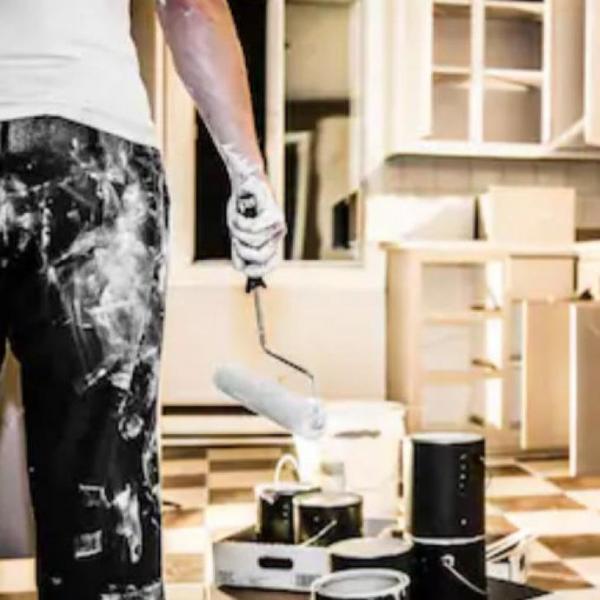
DIY painting can be an enjoyable low-cost way of improving your home interior. It is one of the easiest home improvements that most people can do themselves. The following painting steps will walk you through the various steps to create a refined result.
- Never try to save money by purchasing cheap paintbrushes. Your work will look better and be more pleasurable during application using quality brushes and, with the right care, will last for a long time.
- After cleaning paint out of your pure bristle brush, spray the bristles with "WD 40"; this promotes a healthier bristle and maintains spring and softness, and prevents the hardening of paint residue.
- Use nylon brushes for water-based latex paints and pure bristle brushes for oil-based paints.
- Use water-based urethane sealers and varnishes and tint for multicolor textured effects; they are generally odorless and very versatile in the way they can be used.
- When cleaning paint from rollers, squeeze excess paint out of the roller using a folded piece of cardboard. Shape it to the roller and push excess paint out back into the can using a downward pushing motion. This is better than a roller scraper and cleaner.
- When color-glazing a room, choose 1 wall to complete, tape off the 2 adjoining walls, and then complete the first wall. Now work on the opposite wall, again taping off the 2 adjoining walls ( use wide masking tape). When these completed walls are dry, do the same procedure with the 2 remaining walls. This way you will never have to work in another wet area, and the continuity of design will be good. The corners can be worked later for continuous patterns, using cut sponges or feathers or the tools you prefer.
- A roller tray is the perfect material holder for color glazing walls. As you dip your sponges into the paint from the deep end of the tray, dab excess paint on the higher end, then apply it to your wall.
- Dilute your oil-based enamel with Naphtha or Lacquer thinner; this will make it easier to apply, drying will be faster, and brush marks will flow out better than if using mineral spirits or other solvents.
- It is not advisable to use paints that have been in storage for 3 years. Sometimes they are OK to touch up with, especially latex paints!
- Never fill holes in new wood before the wood is primed. The same applies to stained wood. Stain first, then seal. Then fill holes. Color your putty to match the stain. Then varnish.
Looking for a creative touch on painting? Try Faux Painting.
Popular Articles
Three Places to Spend Money on the Exterior of Your Home
When you have the exterior of your home remodeled, you are investing, time, energy and convenience into the project and you want to make sure that...
107698 Views
Homemade Headboards-Make an Upholstered or Wooden Headboard
Homemade headboards can add a lot of personality to any bedroom. They can be coordinated with existing furniture and room decor or they can be the...
81108 Views
When to Use a Brush, Roller or Sponge Brush
Brushes are a good choice for painting trim and woodwork. They are also useful for cutting in the edges around the top and bottom edges and corners...
73660 Views
Creating a Cottage Kitchen with Bead Board
Kitchen decor can range from modern and bold to elegant and elaborate by using strategic kitchen pieces. One of the most popular decorating trends...
59479 Views
Gas Fireplace Diagnostics and Troubleshooting
Follow these steps for diagnosing and troubleshooting Gas Fireplaces repairs. For the average DIYer, this may seem intimidating, depending on the...
36395 Views
Latest Articles
Signs You Need Professional Plumbing Repair: Don’t Ignore These Warning Signs
Ignoring the signs of a pending plumbing disaster can lead to significant damage and costly repairs. For instance, homeowners might not realize...
on Jan 20, 2026
Beneath the Surface: Why Professional Trenchless Sewer Line Repair
Beneath the Surface: Why Professional Trenchless Sewer Line Repair is Essential for Modern Homeowners
on Jan 14, 2026
Hydro Jetting Services: Unclog Your Pipes with the Power of Water
When faced with stubborn clogs and slow drains, conventional solutions often fall short. But with the innovation of hydro jetting services,...
on Dec 15, 2025
Why Professional Heat Pump Installation is Key to Maximizing Efficiency and Longevity
Heat pumps are a highly efficient means of heating and cooling homes, reducing energy costs and contributing to environmental sustainability. To...
on Dec 15, 2025
Why Professional Boiler Repair is Essential for Home Safety and Comfort
Maintaining a warm and safe home environment is paramount for any homeowner. Your home's boiler system plays a critical role in this, but what...
on Nov 5, 2025
Featured Articles
What Type of Licensed Contractor Should You Hire?
on Feb 28, 2017
Hire Contractors / Estimates

Looking for a specialty project? There are many types of contractors available for your home improvement needs. Finding the right type of...
Actions
Top Categories
- Garden / Landscaping / Patio — 264
- Kitchen / Bathrooms — 240
- Real Estate / Finance — 203
- Appliance / Repair — 186
- Interior Design / Decor — 184
- HVAC / Air Conditioning — 150
- Cleaning / Maintenance — 144
- Improvements / Remodeling — 131
- Plumbing / Basements — 121
- Floors / Tile / Hardwood — 116
- Safety / Security — 114
- Doors / Garages — 113
Articles Archive
More DIY Articles
Repair and Replace: Effective Ways to Sell Your Home Faster
What puts you in the mood to buy a house? Is it a dirty paint job with overgrown grass? What about a stone driveway past its prime? Are you...
What to Consider Before Removing Stairway Carpeting
You have just refinished the wood floors in the living room after discovering them beneath ugly, out-of-date carpeting and you are eyeing up the...
How to Prepare Your Home for this Years Hurricane Season
With the hurricane season fast approaching, it is best to ensure that you and your family are well prepared. The season will peak around mid-August...
Most Ideal Approaches to Do Level s
On the off chance that you are doing level rooftop repair you would should be cautious, if your rooftop is level. Utilizing level rooftops for...
Reason Why an AC Unit Affects The Indoor Air Quality of Your Home
If maintained well, air conditioners are a source of fresh air for your house. However, if you avoid performing regular maintenance works, the...