
Save Water by Using Drip Irrigation
by Guest Post on Apr 30, 2012
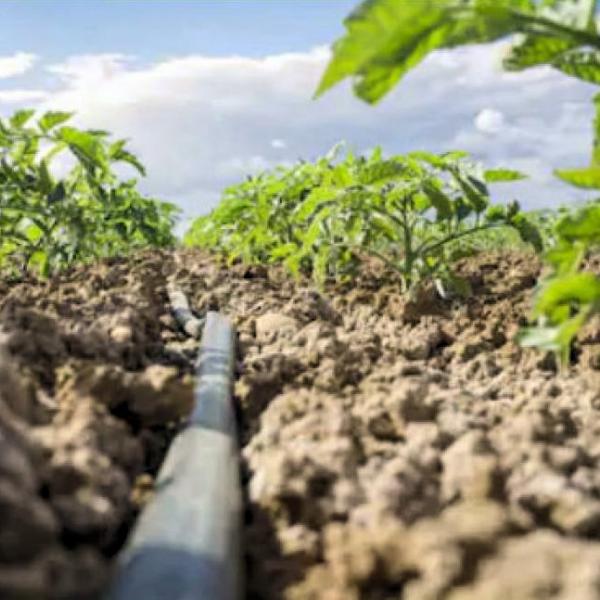
For several years I have been encouraging my design clients to use drip irrigation for their planting beds. Recurring drought in many parts of the country has made us reconsider how we use one of our planet's most valuable resources. The following is a brief introduction to the basic principles and advantages of drip systems.
The term "drip irrigation" describes the application of water not only by drip emitters but also by micro sprays. Both of these have two traits in common: they operate at low pressure, and they deliver a low volume of water compared to standard sprinklers.
Because the water is applied slowly on or near the ground, there should be no waste from runoff and little or no loss to evaporation. You position the emitters to deliver water just where the plants need it; you control penetration by varying the time the system runs and/or the emitters' delivery capacity (rated in gallons per hour).
You can also regulate the volume of water delivered to each plant by varying the type and number of emitters you set up for each.
Besides water conservation, the chief advantage of drip systems is flexibility. You can tailor the system to water individual plants by providing each with its own emitter(s), or you can distribute water over larger areas with micro sprays.
The standard layout might include hookups to two or more valves and many kinds of parts. Because the lines are above ground (they're easily concealed with mulch) and are made of flexible materials, changing the system is simple: just add or subtract lines and emitters as needed.
Your drip system can be simply attached to a hose end or screwed into a hose bibb. Or, if you prefer, you can connect it permanently to your main water source.
Drip irrigation is perfect for the driest zones of a landscape. A drip system saves water because very little is lost to evaporation or runoff.
By delivering water slowly and directly to a plant's root zone, drip irrigation promotes healthy plant growth. Water savings can easily be 50% or more versus traditional sprinkling. Drip emitters are well-suited for most xeric trees, shrubs, and perennials.
Keep in mind that sprinklers and drip emitters apply water at different rates (measured in gallons per minute and gallons per hour, respectively). It's best to put sprinklers and drip emitters on different irrigation valves. Also, a drip system requires a pressure regulator to limit pressure to the system and a filter to ensure that the tiny emitter openings do not clog.
One of the most interesting drip products developed recently is a dripper line with built-in, self-cleaning emitters spaced from 12" to 24" apart depending on the types of plants being watered. The line can be placed above or below the soil surface.
If you're installing a new landscape, or just a new shrub bed, consider using drip irrigation - you'll save a lot of water and energy and your plants will be healthier. For more information on drip systems, and anything else related to irrigation, see Jess Stryker's excellent tutorials at: http://jessstryker.com
Popular Articles
Three Places to Spend Money on the Exterior of Your Home
When you have the exterior of your home remodeled, you are investing, time, energy and convenience into the project and you want to make sure that...
109892 Views
Homemade Headboards-Make an Upholstered or Wooden Headboard
Homemade headboards can add a lot of personality to any bedroom. They can be coordinated with existing furniture and room decor or they can be the...
81547 Views
When to Use a Brush, Roller or Sponge Brush
Brushes are a good choice for painting trim and woodwork. They are also useful for cutting in the edges around the top and bottom edges and corners...
74509 Views
Creating a Cottage Kitchen with Bead Board
Kitchen decor can range from modern and bold to elegant and elaborate by using strategic kitchen pieces. One of the most popular decorating trends...
59908 Views
Gas Fireplace Diagnostics and Troubleshooting
Follow these steps for diagnosing and troubleshooting Gas Fireplaces repairs. For the average DIYer, this may seem intimidating, depending on the...
36736 Views
Latest Articles
Signs You Need Professional Plumbing Repair: Don’t Ignore These Warning Signs
Ignoring the signs of a pending plumbing disaster can lead to significant damage and costly repairs. For instance, homeowners might not realize...
on Jan 20, 2026
Beneath the Surface: Why Professional Trenchless Sewer Line Repair
Beneath the Surface: Why Professional Trenchless Sewer Line Repair is Essential for Modern Homeowners
on Jan 14, 2026
Hydro Jetting Services: Unclog Your Pipes with the Power of Water
When faced with stubborn clogs and slow drains, conventional solutions often fall short. But with the innovation of hydro jetting services,...
on Dec 15, 2025
Why Professional Heat Pump Installation is Key to Maximizing Efficiency and Longevity
Heat pumps are a highly efficient means of heating and cooling homes, reducing energy costs and contributing to environmental sustainability. To...
on Dec 15, 2025
Why Professional Boiler Repair is Essential for Home Safety and Comfort
Maintaining a warm and safe home environment is paramount for any homeowner. Your home's boiler system plays a critical role in this, but what...
on Nov 5, 2025
Featured Articles
What Type of Licensed Contractor Should You Hire?
on Feb 28, 2017
Hire Contractors / Estimates
Looking for a specialty project? There are many types of contractors available for your home improvement needs. Finding the right type of...
Actions
Top Categories
- Garden / Landscaping / Patio — 264
- Kitchen / Bathrooms — 240
- Real Estate / Finance — 203
- Appliance / Repair — 186
- Interior Design / Decor — 184
- HVAC / Air Conditioning — 150
- Cleaning / Maintenance — 144
- Improvements / Remodeling — 131
- Plumbing / Basements — 121
- Floors / Tile / Hardwood — 116
- Safety / Security — 114
- Doors / Garages — 113
Articles Archive
More DIY Articles
My Top Techniques to Get Organised in the Kitchen
When I graduated from university, I decided to become a better cook. I know that one day I will have a family of my own to feed, and I’d prefer my...
How to Save Electricity During Your Beauty Routine
Your daily beauty routine can put a lot of stress on your household energy grid. From your blow dryer to a long hot bath, your daily routine can...
What Truck Size Do I Need to Move a 3-Bedroom House
Moving to a new home can be a complex and stressful process, but with the help of the right truck size, you can make it a smooth and seamless...
Design Tips to Level Up Your Kitchen
Kitchens are the heart of the home. Aside from being where we cook and eat, kitchens can be our workspaces, spaces for relaxation, and - in the...
Important Garage Door Repairs before You Turn the Garage into an Office
Garage door conversions are common home improvements. When you are short on space and want to work at home, converting the garage is one of the...