
Choosing Vinyl Flooring
by Guest Post on Apr 27, 2012
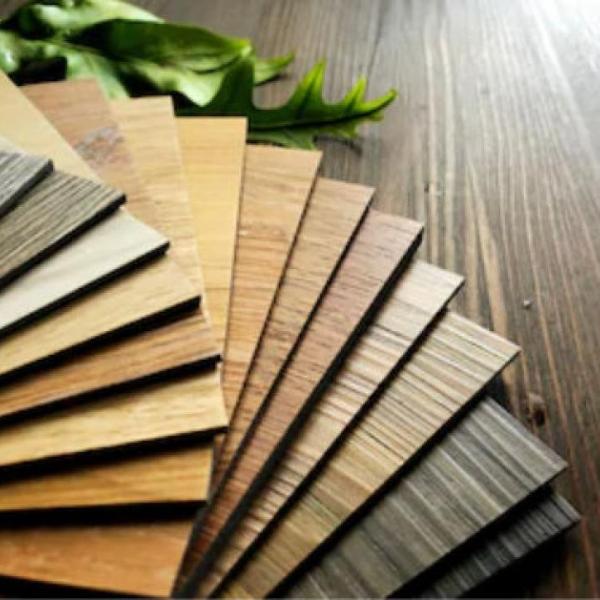
All Vinyl Floor coverings Are Not Created Equal
It's sometimes very hard to determine the advantages and disadvantages when choosing a new vinyl floor for your home. You may remember it as the stuff that dented, tore and was hard to clean in the apartment you used to live in. You might also remember the vinyl floor your mother had that lasted for 20 years and withstood the abuse of four young kids and two dogs. Well, both of those memories - while painting different pictures - are accurate, and both of those floors are easy to identify and differentiate if you know the basics.
First of all vinyl floors are not linoleum. Linoleum is an entirely different product with its pros and cons, which we will discuss, in a future article.
Second, there are many manufactures of vinyl, many price points, and many levels of performance attributes. You get what you pay for.
Third, you need to know a few things before you start the shopping process. How long do you expect the floor to last, how much use will it get, (dogs, kids, parties), How much time do you have to clean the floor and how hard do you want to work to keep it looking like new.
Fourth, What are the Features, Benefits, and Warranties? Let's take a closer look.
IF you know three things about Vinyl Floors then you can differentiate between all the colors, styles and performance attributes. Get the floor that best meets your needs. The questions are:
- What is Wear Surface?
- What type of Structure is it?
- What is the Backing / How will it be installed?
Wear Surfaces
There are three basic types of Vinyl Wear Surfaces, Vinyl No-Wax, Urethane, and Enhanced Urethane.. They all have fancy different names and make lots of claims but the bottom line is how well will they resist scuffs, scrapes, black heel marks, stains and retain there original luster. Don't get caught in the Thickness of the Wear Layer discussion, its makes very little difference how thick the wear layer is, what is important is what it is made out of, what is the technology. Remember that Wear Surfaces are all about "cleanability" and have nothing to do with durability.
Vinyl No-Wax
The original no-wax wear surface, resists scuffs, and scrapes, etc. and has some stain-resistant properties but will still require regular washing and occasional floor polishing to restore the gloss, especially in heavy traffic areas. This wear surface was once used on almost all vinyl floors but now is found mostly on entry-level base grade floors and some first upgrades.
Urethane (PVC)
The first evolution from VNW. Urethane wear surfaces do a much better job of resisting all the scuffs, scrapes, stains and black heel marks than VNW and retain its like-new look far longer than basic VNW floors.
Enhanced Urethane
There are several levels of "enhanced urethane" floors all of them are even better at resisting all the previously mentioned problems associated with maintaining a vinyl floor. The best of these will not stain from normal household elements, (mustard, iodine, asphalt driveway sealer, etc.) and will not become soiled; dirt and grime will not stick to it. All that is required to clean these floors is a broom and an occasional mopping with an approved floor cleaner or vinegar and water.
Structures
The structure, how the floor is constructed, determines the durability of the floor. How will your floor stand up to normal household use? Can Drop, Refrigerator Drag, Indentation can be eliminated or minimized based upon the quality of the structure. Most floors are constructed one of two ways, the Rotogravure or printed floor process or the Inlaid process.
Roto or printed floors are created by taking a picture and then placing the photograph under the wear layer, which offers detailed designs and colors.
Inlaid Floors are manufactured by random or precise placement of tiny vinyl granules from the backing up to the wear surface creating an extremely durable floor.
To help you understand the Structure you need to understand the manufacturing process.
It's like making a sandwich. All start with a backing upon which the structure is placed this could be foam or vinyl granules depending on the quality. On printed floors a foam layer is placed on the backing, a picture is placed on top of the foam and a wear layer is then applied. On Inlaid floors the vinyl granules are placed directly on the backing and a wear layer applied directly on the fused vinyl granules.
One additional thing to mention concerning durability. On some printed floors, a tough vinyl inner layer is placed between the foam and the picture which enhances the durability greatly and protects the floor from a tear, gouges, and indentation.
In Summary:
If you are looking for a durable floor that will resist damage, choose a good floor with a vinyl inner layer, or an Inlaid floor which is the most durable of them all.
A word on Backings, There are two types of backings Felt Backings and Vinyl Backings both offer certain advantages associated with Installation. Vinyl backings offer additional indentation resistance due to its resilient nature when it dents it bounces back. More information about backings can be found in our Installation segment.
Finally, take the time to find and read the Installation and maintenance information the information varies greatly and can make a huge difference before your purchase and more importantly in the event something should go wrong down the road.
Popular Articles
Three Places to Spend Money on the Exterior of Your Home
When you have the exterior of your home remodeled, you are investing, time, energy and convenience into the project and you want to make sure that...
109326 Views
Homemade Headboards-Make an Upholstered or Wooden Headboard
Homemade headboards can add a lot of personality to any bedroom. They can be coordinated with existing furniture and room decor or they can be the...
81454 Views
When to Use a Brush, Roller or Sponge Brush
Brushes are a good choice for painting trim and woodwork. They are also useful for cutting in the edges around the top and bottom edges and corners...
74410 Views
Creating a Cottage Kitchen with Bead Board
Kitchen decor can range from modern and bold to elegant and elaborate by using strategic kitchen pieces. One of the most popular decorating trends...
59814 Views
Gas Fireplace Diagnostics and Troubleshooting
Follow these steps for diagnosing and troubleshooting Gas Fireplaces repairs. For the average DIYer, this may seem intimidating, depending on the...
36667 Views
Latest Articles
Signs You Need Professional Plumbing Repair: Don’t Ignore These Warning Signs
Ignoring the signs of a pending plumbing disaster can lead to significant damage and costly repairs. For instance, homeowners might not realize...
on Jan 20, 2026
Beneath the Surface: Why Professional Trenchless Sewer Line Repair
Beneath the Surface: Why Professional Trenchless Sewer Line Repair is Essential for Modern Homeowners
on Jan 14, 2026
Hydro Jetting Services: Unclog Your Pipes with the Power of Water
When faced with stubborn clogs and slow drains, conventional solutions often fall short. But with the innovation of hydro jetting services,...
on Dec 15, 2025
Why Professional Heat Pump Installation is Key to Maximizing Efficiency and Longevity
Heat pumps are a highly efficient means of heating and cooling homes, reducing energy costs and contributing to environmental sustainability. To...
on Dec 15, 2025
Why Professional Boiler Repair is Essential for Home Safety and Comfort
Maintaining a warm and safe home environment is paramount for any homeowner. Your home's boiler system plays a critical role in this, but what...
on Nov 5, 2025
Featured Articles
What Type of Licensed Contractor Should You Hire?
on Feb 28, 2017
Hire Contractors / Estimates
Looking for a specialty project? There are many types of contractors available for your home improvement needs. Finding the right type of...
Actions
Top Categories
- Garden / Landscaping / Patio — 264
- Kitchen / Bathrooms — 240
- Real Estate / Finance — 203
- Appliance / Repair — 186
- Interior Design / Decor — 184
- HVAC / Air Conditioning — 150
- Cleaning / Maintenance — 144
- Improvements / Remodeling — 131
- Plumbing / Basements — 121
- Floors / Tile / Hardwood — 116
- Safety / Security — 114
- Doors / Garages — 113
Articles Archive
More DIY Articles
Mortgage, Bridging Loan or Development Finance
If you are planning to invest in a property that needs renovating or improving in some way, you may need to secure financial support. For property...
All You Need to Know about Modern Elevators System
As technology advances, so are modern elevators too with their modernization. A study on smart elevator systems projects their growth at 16.2% from...
7 Tips for Prolonging the Lifespan of Home Electrical Appliances
We all use various home electrical appliances such as washing machines, dishwashers, ovens, clothes dryers and HVAC systems. When appliances break...
Increasing Your Homes Curb Appeal
In real estate, curb appeal refers to a property's visual attractiveness when viewed from the street or sidewalk. This is a term that is often used...
A Checklist of 8 Things to Do Before Moving into Your New Home
If well planned, moving into a new home can be a fun-filled experience, rather than a stressful one. There’s more to getting a new home...