
Woodburning and Multifuel Stove Installation FAQ’s
by Guest Post on Nov 27, 2011
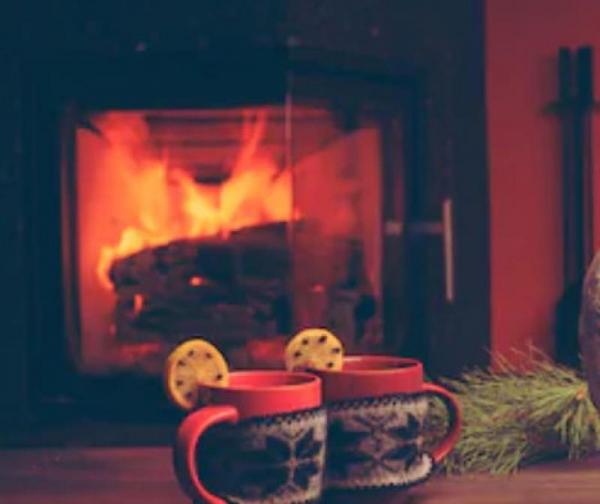
There are some important factors to consider before the installation of a woodburning and multifuel stove.
What do I do first if I plan to fit a new stove?
If you planning to use an existing chimney it is recommended that you first have a 'NACS' registered sweep to sweep it. At the same time, they will inspect and test your chimney to ensure that it draws and it doesn't leak. Your installer will then be able to decide if your chimney needs re-lining.
What Size Stove Do I Need To Heat My Room?
There are two elements to consider when choosing your stove:
1) Physical Dimensions – Is there enough room for the stove to function and conform to building regulations?
2) Output - Do you have the right amount of heat for the room?
Height
You should ensure the top of the stove is around 22" from any combustible material such as wooden lintels or beams. It is wise to check with the manufacturer of the stove you are interested in as the distance advised may vary. If the top flue outlet is used, the height listed does not include the flue collar.
Width
Check that the stove will fit in the narrowest width of your fireplace if you are using one. If you decide on an inglenook, it is recommended that you have at least 150mm (6") space on either side of the appliance, although slightly for smaller output stoves this may be reduced. This is not a building regulation but is necessary for the heat from the sides of the stove to enter the room and to protect against heat build-up.
Depth
It is important to ensure you have the regulation 300mm (12") of the hearth in front of the front legs of the stove once installed. You will also need a 50mm (2") gap at the back of the stove. If you are planning to use the rear outlet, this will add around an extra 160mm.
Output
To achieve a room temperature of approximately 21ºC when the outside temperature is at 0ºC you will need around 1kW of heat output for every 14 cubic meters of space.
Measure the length, width, and height of your room in meters, multiply the three figures together and divide the product by 14.
Factors such as the number of outside walls, the size of windows and whether they are double glazed, the age of the home, etc, can all influence the heat requirement. It is generally recommended that you should buy a lower output stove and burn it at full capacity rather than a larger stove which is too big for the room and has to be burnt lower.
What is Seasoned Wood?
Seasoned wood is wood that has been allowed to dry out, normally for at least a year after having been cut down. Ideally, logs should have a moisture content below 20%. This will give twice the heat output of freshly cut timber and will avoid a build-up of tar in your flue.
Can I burn coal and wood at the same time?
It is not recommended to burn both coal and wood together. Moisture in the wood combines with the sulfuric acid from burning coal and can create a very acidic solution that can erode its way through even the toughest liners over time.
As wood needs air from above and coal from below, this makes any simultaneous burning very inefficient and wastes the potential energy your fuel may provide.
Which are best, steel or cast iron stoves?
Steel and cast iron stoves don’t differ in output, just how they give the heat out - a cast iron stove takes longer to heat up and will retain its heat for longer than the steel.
What are the differences between Wood Burning and Multifuel Stoves?
Externally, wood burning and multifuel stoves may look the same, but inside they are very different.
Multifuel Morso stoves allow air from a grate at the bottom of the stove to operate as the primary air inlet. This is necessary to burn solid fuels other than wood. Most have a riddling grate which allows the ash will fall into the ash pan which sits beneath the grate. The ash pan is the second main difference between a multifuel and a wood-burning stove. It catches the ash that falls through the grate and can then be removed from the stove.
Stoves designed to burn wood only have a flat surface inside the stove which allows the wood to burn in a bed of ash, which is the best way to burn wood effectively. Some wood burning stoves have small static grates simply for ease of cleaning.
Popular Articles
Three Places to Spend Money on the Exterior of Your Home
When you have the exterior of your home remodeled, you are investing, time, energy and convenience into the project and you want to make sure that...
109746 Views
Homemade Headboards-Make an Upholstered or Wooden Headboard
Homemade headboards can add a lot of personality to any bedroom. They can be coordinated with existing furniture and room decor or they can be the...
81524 Views
When to Use a Brush, Roller or Sponge Brush
Brushes are a good choice for painting trim and woodwork. They are also useful for cutting in the edges around the top and bottom edges and corners...
74489 Views
Creating a Cottage Kitchen with Bead Board
Kitchen decor can range from modern and bold to elegant and elaborate by using strategic kitchen pieces. One of the most popular decorating trends...
59888 Views
Gas Fireplace Diagnostics and Troubleshooting
Follow these steps for diagnosing and troubleshooting Gas Fireplaces repairs. For the average DIYer, this may seem intimidating, depending on the...
36722 Views
Latest Articles
Signs You Need Professional Plumbing Repair: Don’t Ignore These Warning Signs
Ignoring the signs of a pending plumbing disaster can lead to significant damage and costly repairs. For instance, homeowners might not realize...
on Jan 20, 2026
Beneath the Surface: Why Professional Trenchless Sewer Line Repair
Beneath the Surface: Why Professional Trenchless Sewer Line Repair is Essential for Modern Homeowners
on Jan 14, 2026
Hydro Jetting Services: Unclog Your Pipes with the Power of Water
When faced with stubborn clogs and slow drains, conventional solutions often fall short. But with the innovation of hydro jetting services,...
on Dec 15, 2025
Why Professional Heat Pump Installation is Key to Maximizing Efficiency and Longevity
Heat pumps are a highly efficient means of heating and cooling homes, reducing energy costs and contributing to environmental sustainability. To...
on Dec 15, 2025
Why Professional Boiler Repair is Essential for Home Safety and Comfort
Maintaining a warm and safe home environment is paramount for any homeowner. Your home's boiler system plays a critical role in this, but what...
on Nov 5, 2025
Featured Articles
What Type of Licensed Contractor Should You Hire?
on Feb 28, 2017
Hire Contractors / Estimates
Looking for a specialty project? There are many types of contractors available for your home improvement needs. Finding the right type of...
Actions
Top Categories
- Garden / Landscaping / Patio — 264
- Kitchen / Bathrooms — 240
- Real Estate / Finance — 203
- Appliance / Repair — 186
- Interior Design / Decor — 184
- HVAC / Air Conditioning — 150
- Cleaning / Maintenance — 144
- Improvements / Remodeling — 131
- Plumbing / Basements — 121
- Floors / Tile / Hardwood — 116
- Safety / Security — 114
- Doors / Garages — 113
Articles Archive
More DIY Articles
Getting Your Kitchen Lighting Just Right
Lighting plays a major role in the interior design of most homes and one of the most important rooms to get right is the kitchen, being both a...
Benefits of Metal Roofing
Too often, when people think about roofs, they are likely to think about standard roofing products like asphalt shingles. When those people are...
Most Common Home Repairs Needed for Summer
Every season it seems as though your home needs a variety of repairs. Those that are important in the winter may not be vital in the hot summer...
5 Important Considerations when Buying Lawn and Garden Sprinklers
You cannot own a garden and own up to zero maintenance efforts. You have to get dirt on your hands and feet once in a while. Because of this...
Looking for Something More Than Just a Garden Shed
How have garden outbuildings have evolved into more than just places to keep the lawnmower? Most of us have childhood memories of how the garden...