
How to Repair Your Driveway
by Boris Dzhingarov on Nov 7, 2014
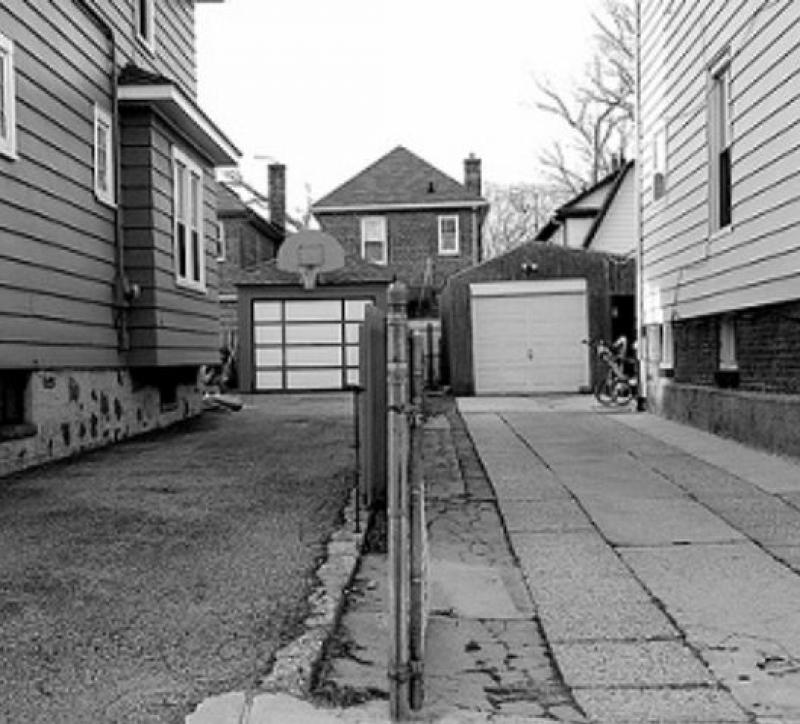
Asphalt and concrete driveways are subject to wear and tear over time. Nature gradually damages the paving, and this will lead to potholes or cracks. Vegetation may also force its way up through the surface. However, repairing your driveway is much simpler than it may appear. The key is to repair the driveway before the cracks begin to expand, as this will allow moisture to erode the ground beneath.
Focus on the Root of the Problem
While the weather can play an important role in damaging concrete paving, other factors may be at work. You will first want to check to make sure that there aren’t any nearby trees with roots that are pushing the concrete up. If this is the case, these trees must be removed, as merely sealing up the crack, in this case, won’t prevent it from continuing to happen.
Clean Up the Place
When you’re getting ready to repair your driveway, you will first want to clean it up. Sweep the top of the driveway in the areas where the cracks appear, and remove any loose debris from the cracks. You may also want to use a screwdriver to tear off any loose parts of the driveway. Once the cracks and driveway are clean, the rest of the work should be much more effective.
Seal the Driveway
For driveways that are made of concrete, you will want to use either pourable grout, textured caulk or a concrete sealer. In addition to this, you will also need some tools. These should include a trowel, gloves and secure clothing, and you will also need a bottle filled with water. This water bottle should have a spray nozzle.
Those using textured caulk won’t need water, but anyone who has grout or sealant will need to use the water to dampen the area. This will create a stronger surface which the sealant can attach itself to. Place the sealant in the crack, and be sure it is filled. Use your trowel to force the sealant down. Be sure to cover each crevice both in the crack and around it. You can use your fingers to push the sealant down, just be sure you’re wearing your gloves, as they will protect them.
Once the crack has been filled, you will want to remove the excess sealant with your trowel and then allow it to dry. If you have to fill larger cracks, you may need to carry out a cutaway below the crack and then fill it with numerous layers of the sealant. It shouldn’t be thicker than 1/3 inches. This ensures that the sealant will be effective during the expansion/contraction that your driveway will experience in the future. This task is more complex, and you may want to call up a contractor for assistance.
Working with Asphalt
When dealing with the little cracks that appear in asphalt driveways it is important to clean out the cracks. You will also need to cut away any pieces which are loose before adding the emulsion filler. This filler can stain the driveway so you will want to follow the instructions and use a caulking gun for better accuracy.
Popular Articles
Three Places to Spend Money on the Exterior of Your Home
When you have the exterior of your home remodeled, you are investing, time, energy and convenience into the project and you want to make sure that...
109924 Views
Homemade Headboards-Make an Upholstered or Wooden Headboard
Homemade headboards can add a lot of personality to any bedroom. They can be coordinated with existing furniture and room decor or they can be the...
81553 Views
When to Use a Brush, Roller or Sponge Brush
Brushes are a good choice for painting trim and woodwork. They are also useful for cutting in the edges around the top and bottom edges and corners...
74513 Views
Creating a Cottage Kitchen with Bead Board
Kitchen decor can range from modern and bold to elegant and elaborate by using strategic kitchen pieces. One of the most popular decorating trends...
59911 Views
Gas Fireplace Diagnostics and Troubleshooting
Follow these steps for diagnosing and troubleshooting Gas Fireplaces repairs. For the average DIYer, this may seem intimidating, depending on the...
36737 Views
Latest Articles
Signs You Need Professional Plumbing Repair: Don’t Ignore These Warning Signs
Ignoring the signs of a pending plumbing disaster can lead to significant damage and costly repairs. For instance, homeowners might not realize...
on Jan 20, 2026
Beneath the Surface: Why Professional Trenchless Sewer Line Repair
Beneath the Surface: Why Professional Trenchless Sewer Line Repair is Essential for Modern Homeowners
on Jan 14, 2026
Hydro Jetting Services: Unclog Your Pipes with the Power of Water
When faced with stubborn clogs and slow drains, conventional solutions often fall short. But with the innovation of hydro jetting services,...
on Dec 15, 2025
Why Professional Heat Pump Installation is Key to Maximizing Efficiency and Longevity
Heat pumps are a highly efficient means of heating and cooling homes, reducing energy costs and contributing to environmental sustainability. To...
on Dec 15, 2025
Why Professional Boiler Repair is Essential for Home Safety and Comfort
Maintaining a warm and safe home environment is paramount for any homeowner. Your home's boiler system plays a critical role in this, but what...
on Nov 5, 2025
Featured Articles
What Type of Licensed Contractor Should You Hire?
on Feb 28, 2017
Hire Contractors / Estimates

Looking for a specialty project? There are many types of contractors available for your home improvement needs. Finding the right type of...
Actions
Top Categories
- Garden / Landscaping / Patio — 264
- Kitchen / Bathrooms — 240
- Real Estate / Finance — 203
- Appliance / Repair — 186
- Interior Design / Decor — 184
- HVAC / Air Conditioning — 150
- Cleaning / Maintenance — 144
- Improvements / Remodeling — 131
- Plumbing / Basements — 121
- Floors / Tile / Hardwood — 116
- Safety / Security — 114
- Doors / Garages — 113
Articles Archive
More DIY Articles
Increase Your Enjoyment of Outdoor Space
Your yard is meant to be enjoyed by you and your family. And, how you and your family decide to do this is completely a personal choice. So, take a...
What is the Average Cost to Repair a Foundation?
The most important part of any structure is the foundation, considering that it gives support to everything above it and ensures that the structure...
Roman Blinds: The Stylish Blinds for Your Home
Looking for the best window treatment? The Roman blinds will accomplish this aim without leaving you with any disappointments and doubts at all....
The Beautiful Elegance of Window Blinds
If you want to completely alter how your home looks, all you really need to do is install new window blinds. Once you have changed such a simple...
Custom Kitchen Cabinets Instead of Cabinet Refacing
Remodeling a kitchen is quite an interesting project, one that will forever change your home. There are thousands of homeowners that are eager to...